
Singing the unsung heroes that make libraries successful
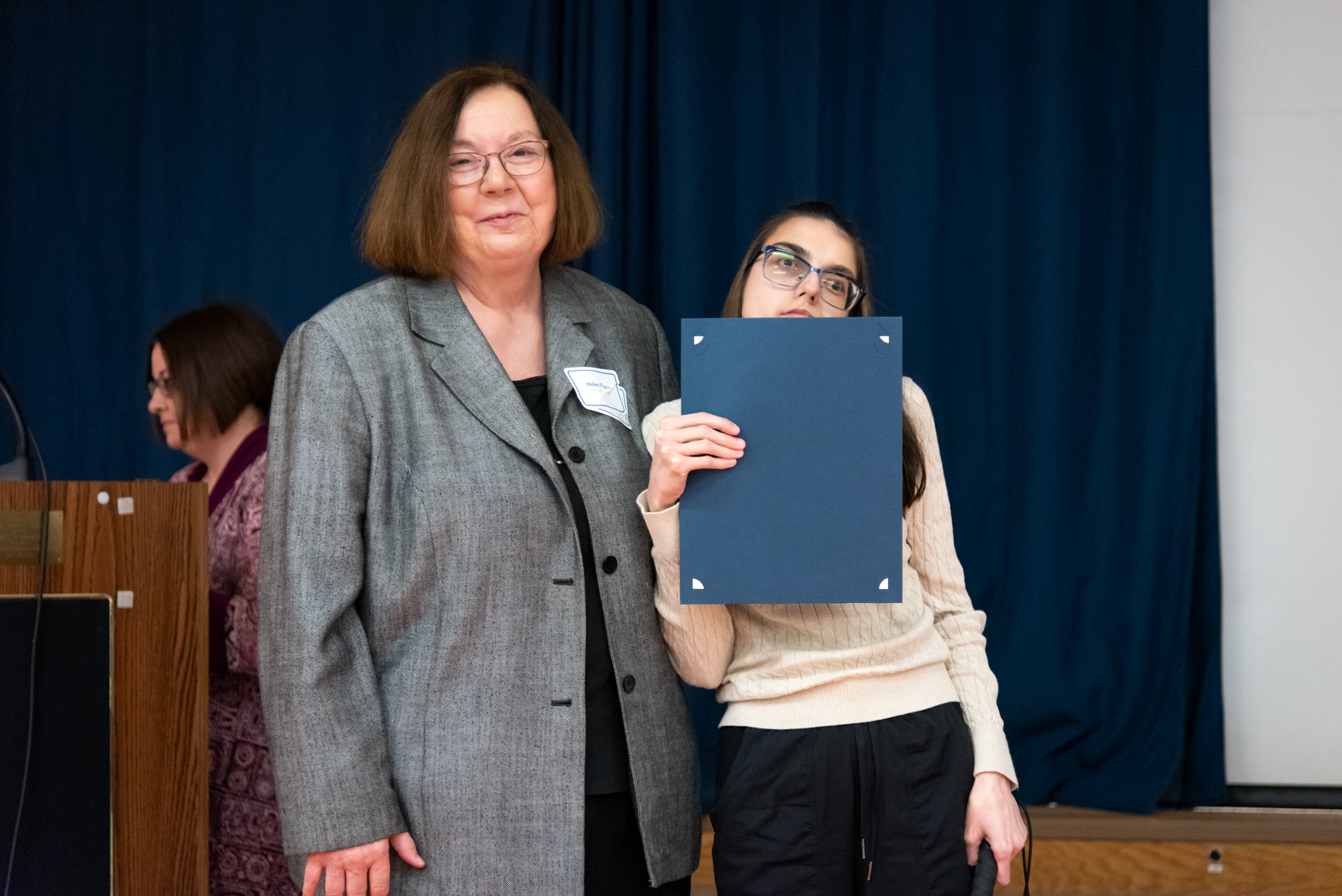
Community partnerships play an important role in creating successful libraries, and Berks County Public Library is no exception. Each year, the library honors individuals and groups in the community who demonstrate outstanding leadership, innovation, and dedication to library service in the community.
In March 2024, I interviewed Emily Orischak, Community Relations Coordinator, Berks County Public Libraries, to learn more about the library system’s 21 years of running an awards celebration.
Our first official award was the “Public Relations Award,” which was presented to a member of the System Advisory Board back in 1991 who was instrumental in the newsletter our... Read more
Helping libraries to be autism-ready
Imagine a child standing in front of a brightly lit room at their local public library. Lively music is playing, and bubbles are bouncing all around. Children and adults fill the room, talking loudly and playing with toys. Off in the distance is a colorful rug with letters on it where everyone will gather for storytime. Does the child go right in, look for friends, and find a spot on the rug? Or do they stop, cover their ears, close their eyes, and take a deep breath? And what do the parents decide is best for their child, perhaps remembering... Read more
Co-creating library services through human-centered design

Much of the work of co-creation happens before you start to plan a concrete service or program. It’s worth spending the time up front to establish authentic, asset-based relationships and craft a scope that aligns with both community aspirations and your library’s mission and capacity. But when the time finally arrives to dive into designing something together, it’s undeniably exciting. This article addresses the “how” of co-design with an approach you can use with your partners. Human-centered design (HCD), also called design thinking, is a process to help you conduct a co-design process.
HCD is particularly useful for libraries with... Read more
Free April webinars for library staff
We hear from library staff that the hardest part of professional development is finding the time to learn. When we share this list of webinars each month, we know that it might be overwhelming, even daunting, to see all the opportunities. We recommend picking one topic for your learning this month, selecting one webinar, and using the month to reflect on, research and discuss that topic. These training opportunities were compiled and shared by the Maine State Library. This month's list includes an online conference and nearly 50 different webinars on 20 different topic areas.
View and subscribe to the Maine... Read more
Reading in the balance: Exploring the role of public library in the ‘science of reading’

Learning to read is neither an innate nor simple process, and recently there has been increased scrutiny on whether schools are effectively preparing children to learn to read. Colloquially referred to as “the reading wars,” this scrutiny has led to the development of a reading-instruction approach based on some research-based theories and principles that are collectively referred to as the ‘science of reading.’ This curricular approach, already implemented in 37 states, has resulted in a remapping of reading instruction and teacher training. So, what does this mean for public libraries and your efforts to support the families in your communities?... Read more
WebJunction highlights
Transforming School Library Practice
Navigating Civil Legal Issues of Natural Disasters (course series)
Researching low morale in libraries
Public Health Crisis Management Playbook
Digital Collections Stewardship (course series)
Weed 'em and reap: Getting your collection from awful to awesome (webinar)
Subscribe
 Sign up to receive Crossroads, WebJunction's newsletter for library learning.
Follow us
Upcoming webinars
30 April 2024
Leadership strategies for building connection and defusing difficult situations
This webinar introduces skills and practical strategies for developing empathetic, curiosity-led leadership, to help improve communication, connection and cooperation at your library.
16 May 2024
Supporting healthy communities: Public library responses to the opioid crisis
Learn about the new “Opioid Crisis Support Kit for Public Libraries” with information and strategies for library staff to support individuals and families affected by substance misuse.
22 May 2024
Cardholder signup policies: Access in practice
Learn key findings and takeaways from national research on cardholder signup policies from public libraries across the country.
06 June 2024
Supporting domestic and sexual violence survivors at your library
Learn to recognize signs of domestic/sexual violence and the ways your library can support survivors through referrals and resources.