
Beyond the branch: Lessons from taking library outreach to underserved communities
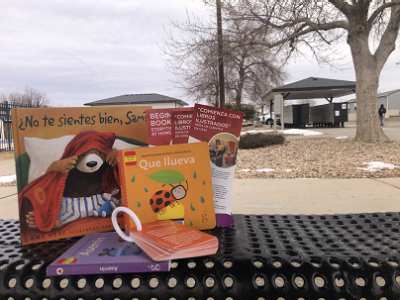
Would you love to connect with a group that doesn’t currently use the library but you don’t speak their first language? At the 2026 PLA conference, Carina Oliva Quiroz and Andy Gallegos from Arapahoe Libraries in Colorado shared their experience providing outreach services to Hispanohablantes, (a group or community whose first language is Spanish or Castilian Spanish) who may never have used a library in the US or their home country.
Finding your focus
Oliva Quiroz and Gallegos focused on early outreach programming because of the significant impact libraries can have during the critical 0-3 age range. Arapahoe Libraries launched its Begin with Books program in 1999 and added a Spanish language focus in 2016. However, staff recognized that several communities in the library’s service area were located far from a branch.
After consulting with colleagues, comparing observations, and reviewing community demographic data, they decided to focus on one Spanish-speaking community located 20 miles from the nearest library branch.
In 2023, they designed a six-session program, selected dates, and began reaching out to the community’s management office, a process that took months. Staff distributed Spanish-language flyers on doors, cars, and mailboxes, while also chatting with residents face-to-face.
The team visited every two weeks at 10 am on Thursdays. After six visits, only one session had attendance.
Lessons learned
Still, Oliva Quiroz and Gallegos considered the effort a success because of what they learned. The sessions were held inside the community center with only a sign outside, which was not visible enough to attract attention. They also discovered that Thursday mornings were not ideal, and that families often arrived with kids of all ages, meaning programming needed to be more flexible and inclusive. Even with low attendance, families responded positively to the effort.
Armed with better information, the team adjusted their approach in 2024. They switched to weekly programs, increased their community outreach efforts, considered factors like weather and school breaks, broadened the target age range, and started planning earlier.
They also learned that while connecting with management was helpful, some residents did not trust management or lacked reliable internet access to consistently receive emails about programming.
The changes worked. After moving sessions outdoors on Thursday afternoons, the first event drew 26 kids and six adults. Families were so enthusiastic that the library added three additional sessions, resulting in nine visits with 170 attendees total. That’s a huge jump—and proof that small adjustments can make a major difference.
Outreach tips
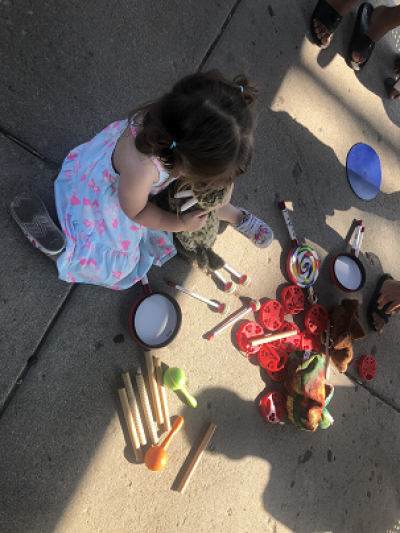
Meet people where they are. Consider taking your outreach efforts outside! Bubbles and music attract attention and create energy.
Physical flyers helped, but face-to-face conversations worked best. Keep language simple, welcoming, and easy to understand.
Use flyers in the community’s primary language whenever possible; bilingual materials are even better.
Consider factors like weather, school schedules, holidays, and time of day when planning programs.
Outreach is bigger than one staff member’s job. Involve library employees f who already connect with the target community in other ways.
Ask community members what types of giveaways or incentives would be most useful. Input matters.
Building trust takes time. Be realistic about how long it will take to connect with the community. For Quiroz and Gallegos, it took over a year of promotion and showing up consistently at community events to build meaningful rapport.
If internal funding is limited, look to local businesses, community partnerships, Friends groups, or volunteers for support.
Connect with trusted community leaders. They can help spread awareness and encourage participation.
Highlight the library’s free resources, including wifi hotspots and laptops. For many families, libraries may not yet be part of daily life, so it’s important to clearly explain what the library offers and how those resources can help.
Always ask for feedback—and be open to changing your approach.
For further learning
Check out these WebJunction webinars that discuss other strategies to reach new communities.
Local games and interactive stories to engage beyond our walls
Building authentic relationships with underserved communities
And our Supercharged Storytimes course which teaches how to intentionally apply research-based practices to boost early literacy in young children attending library storytime.
Subscribe
 Sign up to receive Crossroads, WebJunction's newsletter for library learning.