
Best practices for learning groups attending online learning events
WebJunction
/
22 July 2026
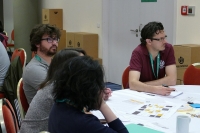
Image by Kritzolina / Wikimedia Commons
This is a collection of best practices for attending online webinars, conferences, and learning events as a group. Whether you're facilitating a cohort of 2 or 20, these strategies help maximize learning and build a culture of professional development in your library.
Planning
- Reserve a meeting space at your library for the day of the event. Set up a shared viewing area so staff can attend together without needing individual workstations.
- Make it easy for staff to come and go as their schedules allow by eliminating the need to set up separate workstations.
- Offer flexible attendance options: in-person cohort viewing at the main branch, satellite locations, or individual remote login.
- Develop a learning plan or checklist aligned with your library's goals. Share it with staff before the event so they know what to focus on.
- Develop discussion questions on topics related to your library's local efforts and priorities.
- Test platform compatibility, audio, projector, and interactive features before the event begins.
During the event
- Use the group setting as a safe space to practice interactive features. Encourage staff to participate in chat, polls, Q&A, and breakout rooms.
- Facilitate localized discussions during breaks or designated times using the discussion questions you developed.
- Take advantage of opportunities provided by event moderators for viewing party attendees to contribute to the full group chat.
After the event
- Schedule structured reflection time within a week while learning is fresh, using your learning plan to guide discussion and identify next steps.
- Forward follow-up emails with links to session archives, slides, and resources to all staff and participants.
- Share learning outcomes with other staff, patrons, and community partners.
- Invite staff to report what they learned at staff or board meetings, via email, or through internal communication platforms.
- Create accessible resources that extend learning, such as tip sheets, bookmarks, or internal guides that staff can reference and share.
- If the event provides Continuing Education (CE) or Continuing Education Units (CEU) credits, consider offering extra credit or recognition for follow-up activities such as staff presentations or documented implementation of new practices.
- Promote related activities or training to continue learning on the event topics.
- Take advantage of opportunities provided by event hosts to report on your viewing party outcomes and impact.
Subscribe
 Sign up to receive Crossroads, WebJunction's newsletter for library learning.